
🌸 The Ultimate Guide to Edible Flowers: Growing, Cooking & Garnishing
Edible flowers are the unsung heroes of the kitchen garden – beautiful, surprising, and bursting with flavour. Whether you’re garnishing a summer salad, crystallising petals for cakes, or infusing drinks with floral notes, these delicate blooms can elevate both the look and taste of your dishes.
In this guide, we’ll cover everything you need to know about edible flowers – how to grow them, how to cook with them, and the best tools to help you get started.
🌿 What Are Edible Flowers?
Edible flowers are blossoms that are safe to eat and commonly used in salads, desserts, drinks, and savoury dishes. They’re not just decorative – many have unique flavours ranging from peppery to sweet, citrusy to herbal.
Popular Edible Flowers:
- Nasturtiums – spicy, peppery; great in salads
- Calendula (Pot Marigold) – tangy and saffron-like
- Violas & Pansies – mild and slightly sweet
- Chive Flowers – oniony and vibrant
- Courgette/Zucchini Flowers – mild and perfect for stuffing
- Lavender – floral and fragrant; ideal for baking
- Borage – cucumber-flavoured and cooling
- Rose Petals – romantic, fragrant, used in syrups and desserts
🌱 How to Grow Edible Flowers
Growing your own edible flowers is simple and rewarding. Many varieties thrive in UK gardens and allotments, and even a balcony box can support a decent crop.
🌞 Best Conditions:
- Full sun or light shade
- Well-draining soil
- Regular deadheading for prolonged blooming
🛒 Recommended Tools & Seeds
- 🌼 Edible Flower Seed Mix – Pollinator Friendly (Grow multiple varieties in one patch)
- 🪴 Plant Labels for Flower Beds (Perfect for keeping track of varieties)
- ✂️ Stainless Steel Herb & Flower Snips (Delicate enough for harvesting flowers without damage)
Tip: Avoid chemical sprays. Always grow organically when flowers are destined for your plate.
🍽️ How to Use Edible Flowers in the Kitchen
🥗 In Salads:
- Toss nasturtiums, violas, and borage into leafy greens for colour and a mild peppery bite.
- Calendula petals can be used like saffron to add a golden hue.
🍰 In Baking:
- Press violas or rose petals into biscuit dough.
- Crystallise pansies or lavender using egg white and sugar for topping cakes.
🍸 In Drinks:
- Freeze borage or viola flowers into ice cubes.
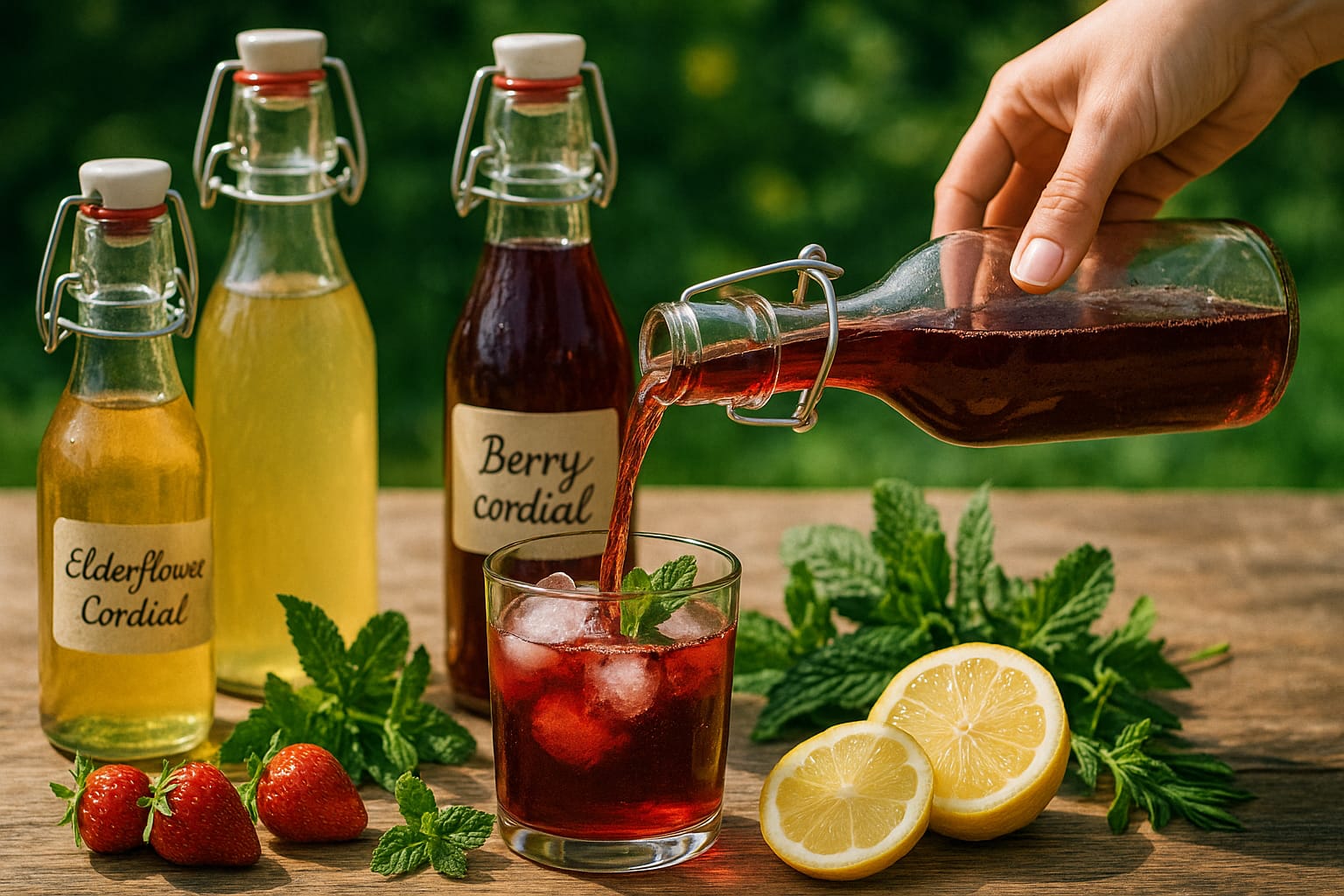
- Infuse lavender or rose in syrups or lemonade.
🌮 In Savoury Dishes:
- Stuff courgette flowers with cheese and herbs, then fry or bake.
- Use chive blossoms in compound butters or potato salad.
🧺 How to Harvest & Store Edible Flowers
- Harvest in the cool of morning when petals are most hydrated
- Use sharp snips or scissors to avoid bruising
- Rinse gently and pat dry
- Store loosely wrapped in the fridge for up to 3 days
🛒 Tools to Help:
- Mesh Harvesting Basket with Carry Handle (Ideal for picking delicate blooms)
- Reusable Produce Bags (To store flowers safely in the fridge)
⚠️ A Note on Safety
Not all flowers are edible. Always double check before consuming, and make sure:
- They are grown for food use
- They are free from pesticides or roadside pollution
- You eat only the safe parts of the plant
Avoid daffodils, foxgloves, and delphiniums – all toxic.
🌺 Edible Flowers for Every Season
| Flower | Season | Use |
|---|---|---|
| Borage | Late spring – autumn | Drinks, salads |
| Nasturtium | Summer | Salads, savoury dishes |
| Calendula | Spring – autumn | Rice, breads, soups |
| Violas/Pansies | Spring – early summer | Garnish, desserts |
| Lavender | Summer | Baking, syrups, drinks |
| Chive Flowers | Spring | Savoury, compound butter |
| Courgette Blooms | Summer | Stuffed or fried |