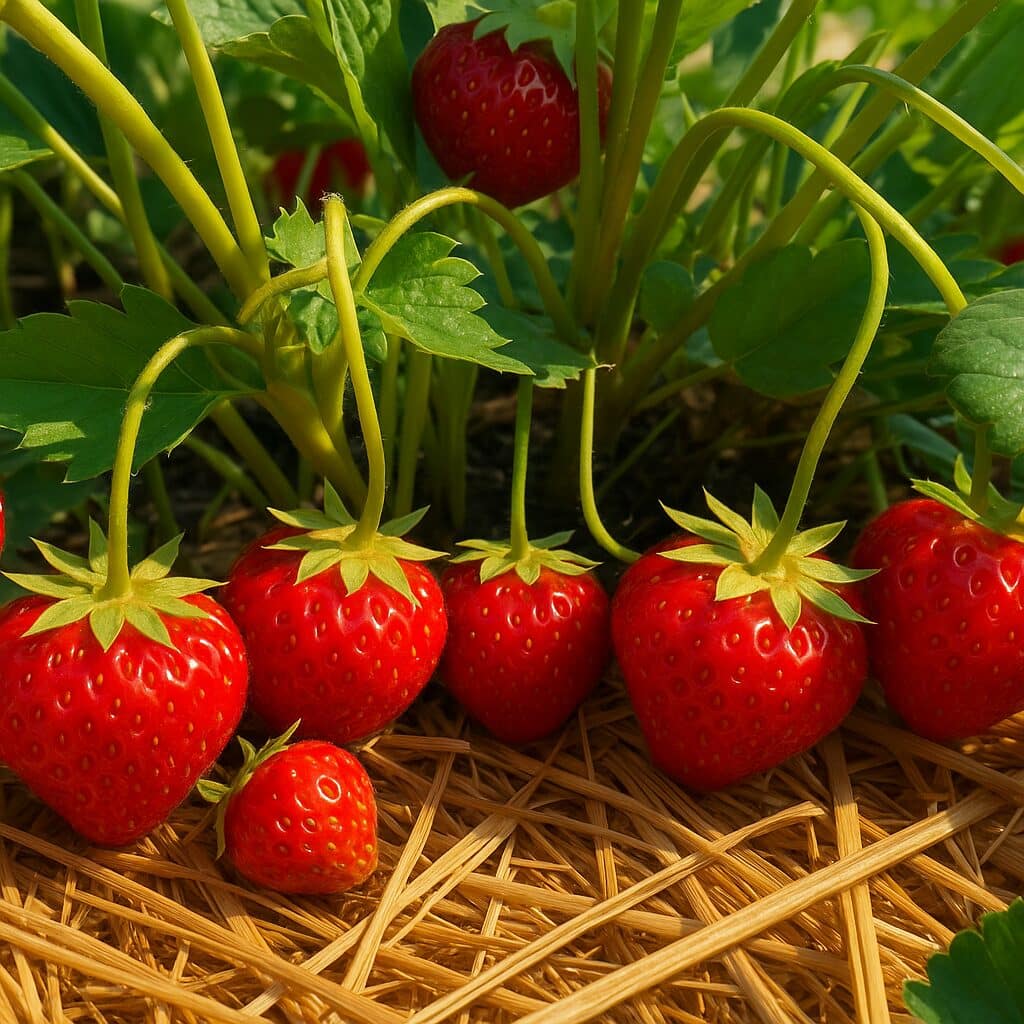

September Allotment Diary: What’s Growing, What’s Ending, and What’s Next
September feels like a month balanced on a hinge: summer still lingers in the air, yet autumn is making its first serious arrival. On the allotment, this change is written in the plants themselves — courgettes that once surged are slowing down, tomatoes ripen more reluctantly, and the light shifts to a softer, more golden hue.
It’s a natural point to pause, take stock of the growing season so far, and turn attention toward preparing for what’s next.
What’s Growing Now
Even as days shorten, there’s plenty still in abundance:
- Tomatoes & Peppers – If the weather holds, they keep on coming. Ripening may be slower, but a sunny September can still bring heavy trusses. Green tomatoes can be picked later for chutneys or ripened indoors.
- Runner Beans & French Beans – Still cropping well, but pick little and often to keep plants producing.
- Squash & Pumpkins – Fruits are swelling fast now, with leaves starting to die back. Leave them to harden skins in the sun.
- Apples & Pears – Orchards and garden trees are heavy with fruit; a bumper year for storing or pressing.
- Beetroot & Carrots – Reliable roots that can stay in the ground until needed, sweetened by cooler nights.
What’s Coming to an End
- Courgettes – Plants that once overwhelmed us with fruit are now tired and mildewed.
- Sweetcorn – The last cobs are ready; once harvested, clear the stems for compost.
- Early Potatoes – If you’ve left them in the ground, now’s the time to lift the last before slugs get too interested.
This is the bittersweet rhythm of September: abundance and decline side by side.
Jobs for the Month
- Harvest & Store – Pick apples, cure squash, lift onions and garlic if still in the ground. A well-stocked shed or pantry in September means hearty meals later.
- Seed Saving – Collect seeds from beans, peas, lettuce, and annual flowers for next year.
- Soil Care – Add compost or well-rotted manure to cleared beds. Cover bare soil with green manures or mulch to prevent nutrient loss.
- Plan Ahead – Decide what beds will hold garlic, onions, and broad beans — all of which can be planted in autumn.
Looking Ahead
October and November are about laying the groundwork for next year. Garlic and overwintering onions go in, along with hardy greens like spinach and chard. Broad beans can be sown in November for an early start. Cover crops sown now (such as field beans, clover, or phacelia) enrich the soil for spring planting.
It’s also a time to reflect: which crops thrived, which struggled, and what changes you’ll make. Keeping notes now will pay off when ordering seeds over winter.
Final Thoughts
September is often my favourite month on the allotment. The pace eases after the frantic summer, yet baskets are still heavy with food. It’s a reminder of the ebb and flow of growing — abundance doesn’t last forever, but with a little foresight, it always returns.
So, harvest gratefully, clear thoughtfully, and sow with the confidence that another season is already waiting beneath the soil.