
How to Preserve Allotment Vegetables: 4 Easy Ways to Store Your Summer Harvest
If your allotment is overflowing with greens, berries and beans, you’re not alone! Knowing how to preserve allotment vegetables is key to cutting food waste, saving money and enjoying the flavours of summer well into winter.
In this post, you’ll learn simple, beginner-friendly ways to store your crops — with just a few tools and hardly any fuss.
🧊 1. Freezing: Fast, Simple and Ideal for Beginners
Freezing is the easiest method when learning how to preserve allotment vegetables. It locks in nutrients and flavour with minimal prep.
Best for:
- Soft herbs (chop and freeze in oil)
- Greens like chard or spinach (blanch, drain, freeze)
- Berries (freeze on a tray before bagging)
🛒 Reusable Silicone Freezer Bags
Durable, eco-friendly and great for storing frozen produce from your garden.
🫙 2. Quick Pickling: Tangy, Crunchy, and No Canning Required
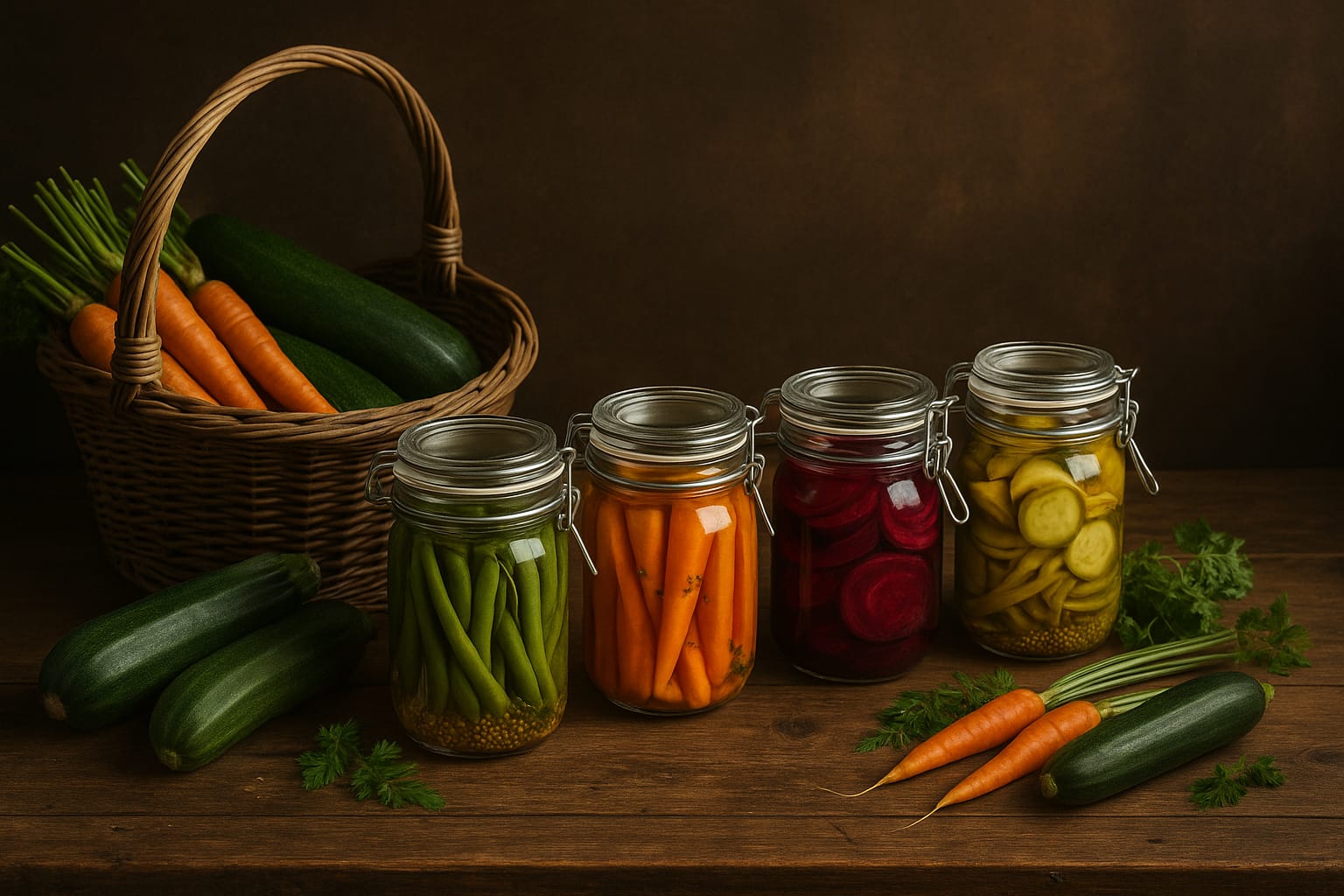
Pickling is a brilliant way to stretch out gluts — especially radishes, beetroot, chard stems, or cucumbers.
How to do it:
Use a basic vinegar brine with sugar, salt and your choice of aromatics like garlic, dill or mustard seeds.
🧂 All-Purpose Quick Pickle Brine Recipe
🧴 Ingredients (makes enough for ~2 x 500ml jars):
- 250ml white wine vinegar (or apple cider vinegar)
- 250ml water
- 1 tbsp fine sea salt
- 1 tbsp sugar (optional – adjust to taste)
- Optional spices:
- 1 tsp mustard seeds
- 1 tsp peppercorns
- 1 clove garlic (halved)
- A few dill sprigs or bay leaves
- Chilli flakes (for heat)
🥣 Method:
- Combine vinegar, water, salt, and sugar in a saucepan.
- Bring to a gentle boil, stirring until the salt and sugar dissolve.
- Pack clean jars with your sliced veg and chosen spices/herbs.
- Pour the hot brine over the vegetables, leaving about 1cm headspace.
- Seal the jars and let cool to room temperature.
- Refrigerate and wait at least 24 hours before eating — flavour improves after 3–5 days.
💡 Tips:
- Keeps in the fridge for up to 4 weeks.
- Use a clean spoon each time to prolong freshness.
- This is not shelf-stable unless properly canned.
🛒 Kilner Glass Jar Set (1L)
Reusable, airtight jars ideal for quick pickles or storing dry goods.
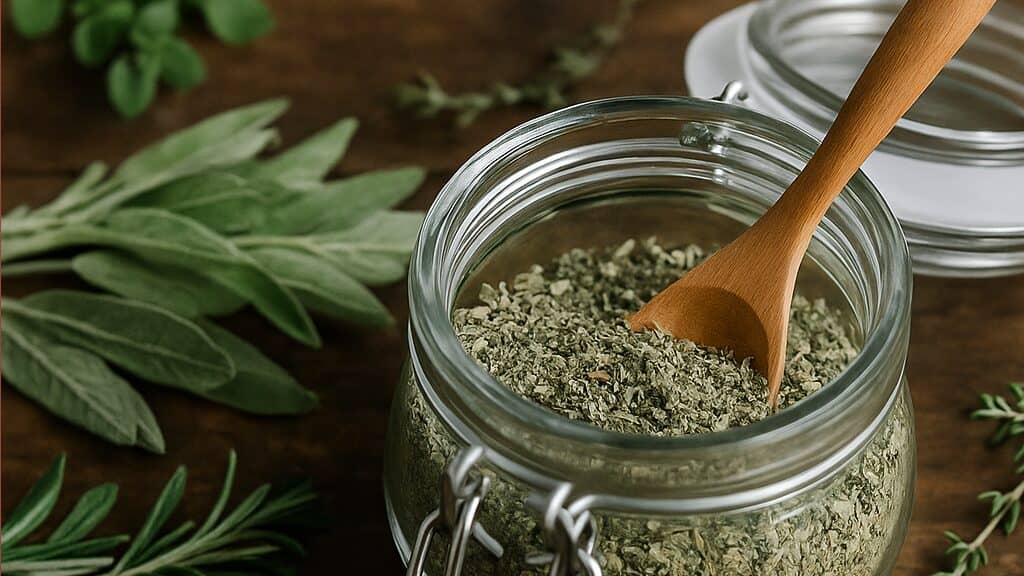
🌿 3. Drying: Best for Herbs, Chillies and Edible Flowers
Drying concentrates flavour and requires no electricity if air-dried. It’s an excellent technique for:
- Oregano, thyme, sage
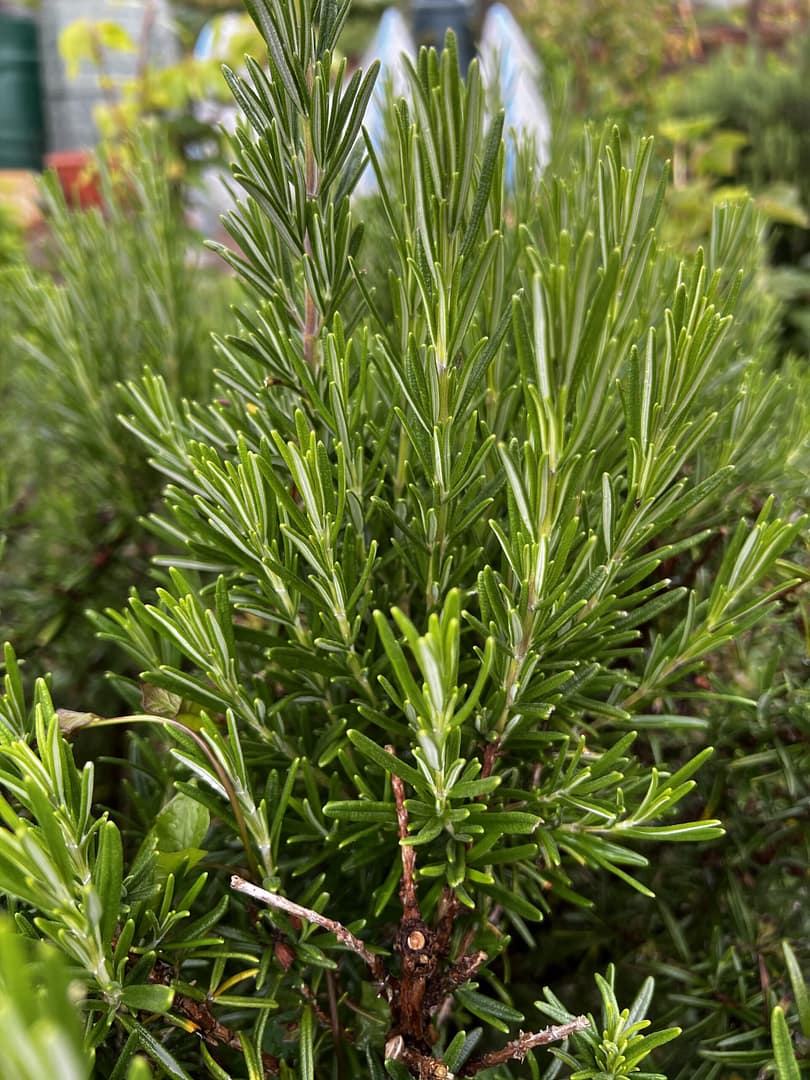
- Bay leaves and rosemary
- Edible petals like calendula or nasturtiums
Tie herbs into small bundles and hang somewhere dry and airy, or use a mesh drying rack for better airflow.
🛒 3-Tier Mesh Hanging Herb Dryer
A compact, foldable solution for drying herbs with minimal fuss.
🍅 4. Sauces, Chutneys and Preserves: Longer-Term Storage for Gluts
When your allotment hands you tomatoes, courgettes or soft fruit in bulk, batch-cooking sauces and chutneys is ideal. Think:
- Tomato and basil pasta sauce
- Courgette chutney
- Strawberry jam
- Green tomato relish
If storing at room temp, sterilise jars and use proper water-bath techniques.
🫙 Spiced Courgette Chutney Recipe
Makes ~4 medium jars
🧄 Ingredients:
- 1kg courgettes (grated or finely chopped)
- 2 medium apples (peeled and grated)
- 1 large red pepper (chopped)
- 2 garlic cloves (crushed)
- 1 thumb-sized piece of ginger (grated)
- 250g light brown sugar
- 250ml cider vinegar (or white wine vinegar)
- 1 tsp mustard seeds
- 1 tsp ground turmeric
- 1 tsp ground cumin
- 1 tsp salt
- Optional: ½ tsp chilli flakes (for heat)
🍲 Method:
- Prepare your jars: Sterilise 4 x 300–400ml jars (Kilner or similar) and lids. Keep warm until ready.
- Salt the courgettes: Toss grated courgettes with the salt in a colander. Leave for 1 hour, then squeeze out excess water using a clean tea towel.
- Combine everything: In a large saucepan, mix all ingredients — courgettes, apples, pepper, garlic, ginger, spices, sugar, and vinegar.
- Simmer low and slow: Bring to the boil, then reduce to a simmer. Stir occasionally and cook uncovered for 45–60 minutes, until thick and jammy.
- Jar it up: Spoon into warm jars, seal immediately, and allow to cool. Label and date.
- Mature for flavour: Store in a cool, dark place for 2–4 weeks before eating to let flavours develop. Once opened, refrigerate and use within 6 weeks.
🔄 Variations:
- Swap apples for pears for a softer sweetness.
- Add raisins or sultanas for a chunkier, fruitier chutney.
- Use red onion for a richer base (if you eat them).
🛒 Masontops Preserving Starter Kit
Includes a rack, tongs, jar lifter and everything you need for safe home canning.
🧂 Final Thoughts on How to Preserve Allotment Vegetables
Mastering how to preserve allotment vegetables is one of the most satisfying skills a grower can learn. It saves money, reduces waste and means your hard work in June and July keeps paying off through the darker months.
Start small: freeze your greens, pickle your gluts, dry your herbs — and soon you’ll have a homegrown larder ready for winter stews, sauces and snacks.