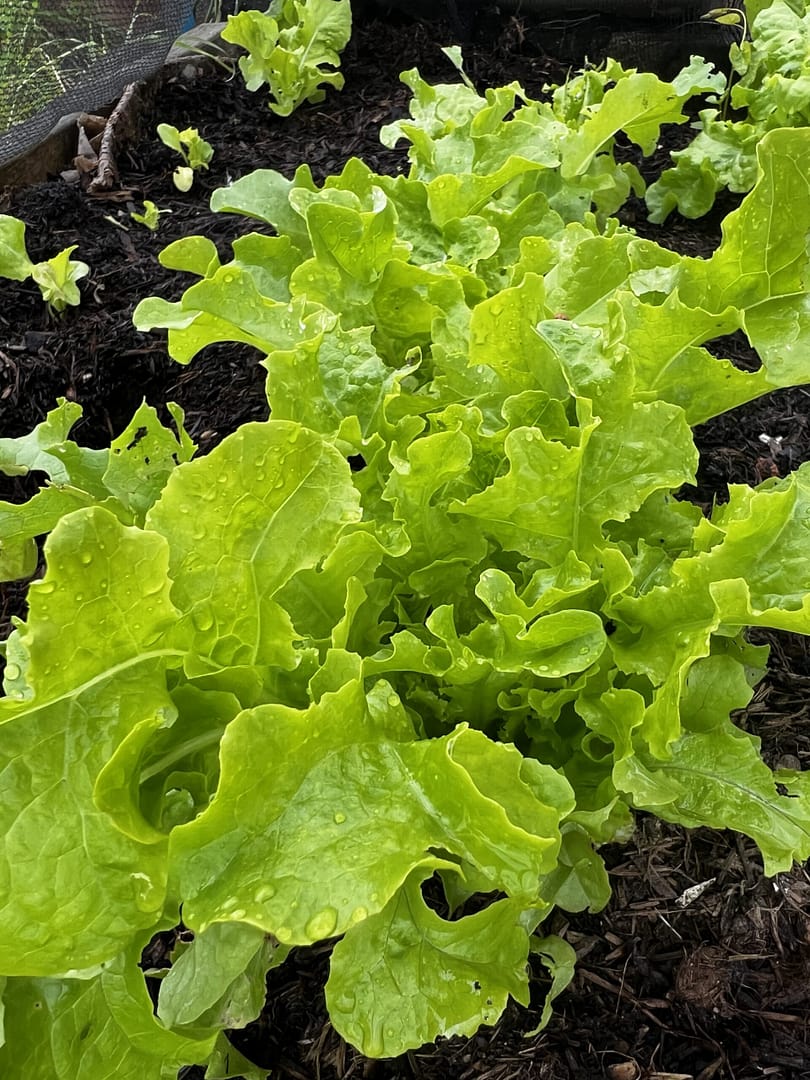

How to Plan a Late-Season Raised Bed Refresh
Revive your beds for autumn planting and beyond.
By late summer, your raised beds may be looking a bit tired. Crops have come and gone, the soil might be compacted or depleted, and weeds are trying to claim territory. But with a simple refresh, you can get them ready for autumn sowing — and even set the stage for early spring success.
In this post, we’ll guide you through a practical, low-stress approach to revitalising your raised beds in August or September.
👣 Step 1: Clear What’s Done (And Keep What’s Not)
Start by removing any plants that have come to the end of their productive life — think bolted lettuces, exhausted peas, or spent courgettes. Compost what’s healthy and discard anything diseased.
If you still have productive plants (e.g. tomatoes, kale, leeks), work around them rather than stripping the bed completely.
💡 Tip: Keep roots of legumes like peas and beans in the soil – they help fix nitrogen.
🌱 Step 2: Weed & Aerate the Soil
Weeds steal nutrients and harbour pests, so give the bed a thorough tidy. Use a hand fork or hori-hori knife to loosen the soil surface.
If the soil has become compacted (especially in dry weather), gently fork through the top 10–15cm to reintroduce airflow and help roots take hold.
🛒 Recommended tools:
🐛 Step 3: Replenish Nutrients
After a season of heavy cropping, your soil is likely hungry. Choose one or two of the following based on what you’re planting next:
| Soil Additive | Best For |
|---|---|
| Compost (well-rotted) | General boost, soil texture improvement |
| Blood, Fish & Bone | Leafy greens, brassicas |
| Comfrey tea | Fruiting crops like tomatoes, squash |
| Seaweed meal | Trace minerals and root crops |
| Worm castings | Seed-starting mixes, salad crops |
🛒 Add to your soil store:
Mix gently into the top few inches of soil using a hand fork or gloved hands.
🛡️ Step 4: Add a Surface Mulch
Mulching helps lock in moisture, regulate soil temperature, and reduce weed regrowth. At this time of year, opt for light, breathable mulches:
- Straw or hay (use clean, seed-free material)
- Shredded leaves or grass clippings
- Homemade compost
If you’re sowing direct (e.g. salad leaves), keep a mulch-free strip for planting.
📋 Step 5: Plan What to Sow Next
Late summer is an ideal time to grow crops for autumn and even overwintering. Consider:
🌿 Fast-growing crops to sow now:
- Rocket, mizuna, mustard greens
- Turnips
- Radishes
- Spinach
- Pak choi
- Coriander
❄️ Hardy crops to plant for winter:
- Spring onions
- Overwintering broad beans
- Garlic (plant from late Sept–Nov)
- Perpetual spinach
- Winter lettuces
🌱 Check your seed packets for last sowing dates — and don’t forget to water newly sown areas gently but consistently.
🧠 Optional: Plan for a Green Manure
If you want to give your bed a rest and boost soil health, sow a green manure like phacelia, field beans, or mustard. These cover crops prevent erosion and fix nutrients — ready to chop down before spring planting.
🧰 Bonus Tip: Check for Repairs
This is also a good time to:
- Fix warped timber edges
- Top up paths between beds with bark or gravel
- Install hoops or netting for winter cover
🛒 DIY helpers:
Final Thoughts
A late-season raised bed refresh doesn’t need to be backbreaking work. Just a bit of clearing, feeding, and replantingcan set you up for delicious autumn greens — or prepare your beds to rest and recover before spring.
👉 Have you got a favourite soil booster or autumn crop? Let us know in the comments below!
And don’t forget to sign up for our seasonal gardening newsletter — your inbox will thank you when the frost arrives.
🛒 This post contains affiliate links. If you click through and make a purchase, we may earn a small commission at no extra cost to you. Thank you for supporting Allotment Kitchen.